
What to Know Before You Lease a Property

Deciding to lease a property for your business is a significant commitment, and the details that matter most are rarely the ones that stand out in a listing. Rent is only one part of the picture. The lease structure, the length of the term, what happens at renewal, and who is responsible for which costs all affect what you are actually agreeing to.
Whether you are leasing office space, retail space, industrial property, or land, the same core questions apply. This guide walks through what to understand before you lease a property, so you go into negotiations and signing with a clear picture of the deal.
Understanding What "Leasing a Property" Really Means
Before getting into specific terms, it helps to understand the basic structure of a commercial lease agreement.
Commercial vs. Residential Leasing
Commercial leases differ significantly from residential leases in both complexity and negotiation flexibility. Commercial terms are rarely fixed, lease periods tend to run longer, and the tenant often takes on more responsibility for costs like maintenance, taxes, and insurance depending on the lease structure.
Types of Commercial Leases
Commercial leases generally fall into a few main categories, including gross leases, modified gross leases, and net leases. Each one allocates operating costs differently between landlord and tenant, which directly affects your total occupancy cost beyond the base rent figure. Our breakdown of what a triple net (NNN) lease actually means covers one of the most common, and most misunderstood, lease structures in detail.
Before You Start: Define Your Needs
Getting clear on what you actually need before you start touring properties makes the entire process faster and reduces the chance of signing a lease that does not fit.
Space and Location Requirements
Think through square footage, layout, and location requirements based on your current operations and any growth you expect over the lease term. A commercial real estate agent can help translate these needs into a realistic property search rather than guessing at what will work.
Budget and Lease Length
Set a realistic budget that accounts for the full occupancy cost, not just the quoted rent, and decide how long a lease term makes sense for your business. A shorter term offers flexibility, while a longer term often comes with better rate stability and more negotiating leverage on tenant improvements.
Not Sure Where to Start Your Search?
Finding the right property to lease starts with understanding what you actually need and what the market currently offers. Talk to a commercial real estate agent at DNG Commercial to walk through your requirements.
Key Lease Terms to Understand
Once you have identified a property, the lease document itself becomes the central focus. A few terms deserve close attention before you sign anything.
Base Rent and Operating Costs
Base rent is only the starting point. Depending on the lease structure, you may also be responsible for a share of property taxes, insurance, and common area maintenance. Confirm exactly which costs are included in the quoted rent and which are billed separately.
Triple Net vs. Gross Leases
The difference between a gross lease, where the landlord covers most operating costs within a single rent figure, and a triple net lease, where the tenant pays a share of taxes, insurance, and maintenance on top of base rent, can significantly change your total cost. This is one of the most important distinctions to confirm early in any lease negotiation.
Lease Length and Renewal Options
Most commercial leases run anywhere from one to ten years depending on property type, with longer terms more common for larger spaces or build-to-suit arrangements. Ask about renewal options and whether the lease includes a capped rate for a future term, which can protect you from a steep increase down the line.
Tenant Improvements and Build-Out Costs
If the space needs any changes before you move in, from paint and flooring to full construction, find out whether the landlord is offering a tenant improvement allowance and how much it covers. These allowances vary widely depending on lease length and the landlord's current leasing priorities, so it is worth asking directly rather than assuming a standard amount applies. Clarify the timeline for any build-out as well, since construction delays can push back your move-in date well past what was originally discussed.
Security Deposits and Insurance Requirements
Most commercial leases require a security deposit, and the amount can vary significantly depending on your business's financial history and the landlord's risk tolerance. You will also typically need to carry commercial general liability insurance, and some leases require the landlord to be named as an additional insured party. Confirm these requirements early, since securing the right coverage can take longer than expected if you are setting it up for the first time.
Negotiating Your Lease
Lease terms are rarely fixed, and negotiation is where an experienced agent or attorney can add real value.
What's Typically Negotiable
Rent, tenant improvement allowances, renewal options, and certain operating cost caps are often open to negotiation, particularly in a market with available inventory. It is worth asking directly rather than assuming the first offer is final.
Getting Professional Help
Negotiating a commercial lease involves more moving parts than most tenants expect, from rent escalations to exit clauses. Our step-by-step guide to negotiating a commercial lease in Los Angeles walks through the process in more detail, including what to prioritize and when to push back.
Reviewing the Lease Before You Sign
Once terms are agreed upon, the final lease document still needs a close review before signing.

Red Flags to Watch For
Pay close attention to maintenance responsibilities, subleasing rights, early termination clauses, and any language around rent escalations that was not clearly discussed during negotiation. These details are often where disputes come up later.
Legal Review
Have the full lease reviewed by someone familiar with commercial leases before signing, even if the terms seem straightforward. A short review upfront is far less costly than discovering an unfavorable clause after you have already moved in.
Confirming Who Pays for What Long Term
Beyond the initial lease term, check how costs are handled if the building needs major repairs, how property tax reassessments are passed on to tenants, and what happens if the landlord sells the property during your lease. These scenarios are easy to overlook in the excitement of finding the right space, but they can meaningfully affect your costs years into the lease.
Moving Forward With Confidence
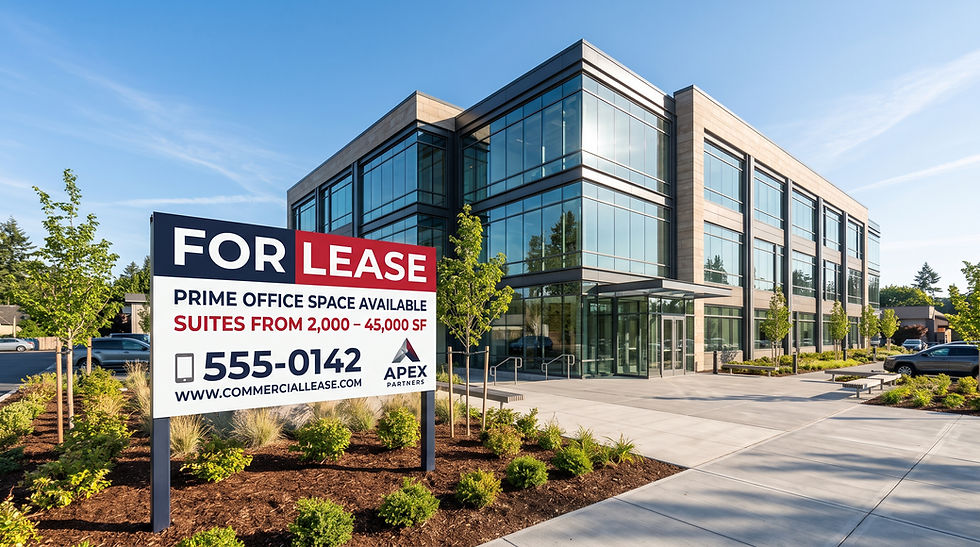
Leasing a property involves more than comparing square footage and rent. Understanding the lease structure, knowing which costs fall on you versus the landlord, reviewing tenant improvement terms, and having the document reviewed carefully before signing all affect how the lease performs for your business over time. Taking the time to ask the right questions upfront puts you in a stronger position for the entire length of the lease, not just on signing day.
According to NAIOP, a leading commercial real estate development association, tenants who understand lease structure and negotiate terms early tend to secure more favorable outcomes than those who focus on rent alone. The Institute of Real Estate Management (IREM) similarly emphasizes that clear expectations around maintenance and operating cost responsibilities help prevent disputes between landlords and tenants over the life of a lease.
If you are preparing to lease a property, connect with the team at DNG Commercial to talk through your requirements and get guidance on what to expect in your specific market.
Frequently Asked Questions
What should I know before I lease a property?
Understand the lease structure, including which costs are included in rent versus billed separately, confirm the lease length and renewal options, and have the full document reviewed before signing.
What is the difference between a gross lease and a net lease?
A gross lease bundles most operating costs into a single rent payment, while a net lease, such as a triple net lease, charges base rent plus a separate share of taxes, insurance, and maintenance costs.
Can I negotiate the terms of a lease?
Yes. Rent, tenant improvement allowances, renewal options, and certain operating cost terms are often negotiable, particularly when there is available inventory in the market.
How long do commercial leases typically run?
Commercial lease terms vary by property type, but most run anywhere from one to ten years, with longer terms more common for larger spaces or properties requiring significant tenant improvements.
Do I need a commercial real estate agent to lease a property?
It is not required, but working with an agent is generally recommended, since they can help identify suitable properties, clarify lease terms, and negotiate on your behalf.
What costs beyond rent should I expect when leasing a property?
Depending on the lease structure, you may be responsible for a share of property taxes, insurance, common area maintenance, and utilities in addition to base rent.
Should I have a lease reviewed before signing?
Yes. Having the lease reviewed by someone familiar with commercial leases can help identify unfavorable clauses around maintenance responsibilities, subleasing rights, or early termination before you commit.


Comments