
The Future of Commercial Real Estate: Trends Businesses Can’t Ignore
- 2 days ago
- 2 min read
Commercial real estate is evolving—and businesses that fail to adapt risk falling behind.
The future isn’t just about location anymore. It’s about strategy, flexibility, and understanding how the market is changing.

Why the Market Is Shifting
The commercial real estate sector is still recovering from a period of disruption caused by:
Economic uncertainty
Changing work environments
Rising borrowing costs
These factors have reshaped how businesses approach space and investment.
Trend 1: Location Alone Is No Longer Enough
For years, location was the primary driver of success.
Today, businesses must also consider:
Accessibility
Functionality
Cost efficiency
Long-term adaptability
This shift is explored further here:https://www.dngcommercial.com/post/why-location-alone-isn-t-enough-in-commercial-real-estate
Trend 2: Businesses Are Becoming More Selective
Companies are taking a more thoughtful approach when choosing commercial space.
Instead of rushing decisions, they are evaluating:
Total occupancy costs
Lease flexibility
Growth potential
This change reflects a broader move toward strategic decision-making in leasing and purchasing.
Learn more here:https://www.dngcommercial.com/post/common-mistakes-businesses-make-when-choosing-commercial-space-and-how-to-avoid-them
Trend 3: Financing Is More Complex Than Before
Access to capital remains one of the biggest challenges in today’s market.
Higher interest rates and stricter lending standards mean:
Loan approvals take longer
Qualification requirements are stricter
Financial planning is more critical
Understanding financing has become essential for success.
Explore this topic further:https://www.dngcommercial.com/post/essential-guide-to-navigating-commercial-real-estate-financing-and-improving-loan-approval-chances
Trend 4: Flexibility Is Driving Demand
Modern businesses need spaces that can adapt.
This includes:
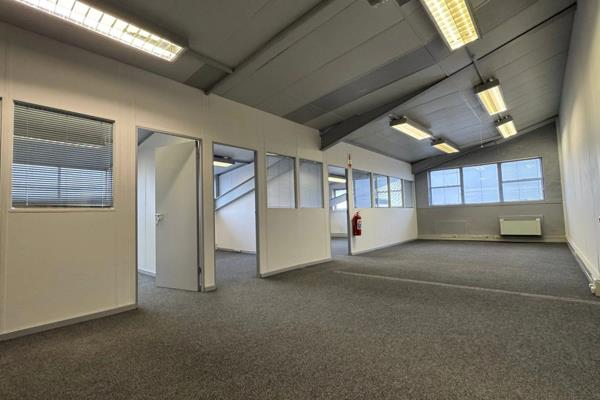
Smaller, flexible layouts
Hybrid work-friendly environments
Multi-use commercial spaces
Demand for adaptable spaces is reshaping leasing strategies across Southern California.

Trend 5: Long-Term Planning Over Short-Term Gains
The biggest shift in commercial real estate is mindset.
Instead of focusing on quick returns, businesses and investors are prioritizing:
Sustainability
Stability
Long-term growth
This approach aligns with forward-looking strategies discussed here:https://www.dngcommercial.com/post/commercial-real-estate-investments-strategies-for-2030
Avoiding Common Pitfalls
Even with the right strategy, challenges remain.
Common hurdles include:
Overpaying for space
Underestimating operating costs
Ignoring market trends
You can explore these challenges in more detail here:https://www.dngcommercial.com/post/the-hidden-hurdles-of-commercial-real-estate-and-how-to-avoid-them
The future of commercial real estate belongs to those who adapt.
By understanding trends, planning strategically, and making informed decisions, businesses can navigate uncertainty and position themselves for long-term success.
FAQs
1. What is the future of commercial real estate?
It is shifting toward flexibility, strategic planning, and value-driven decision-making.
2. Why is location no longer enough?
Because factors like cost, functionality, and adaptability now play a major role.
3. How has financing changed in commercial real estate?
Lending is stricter, requiring better preparation and financial planning.
4. What should businesses look for in commercial space today?
Flexibility, scalability, and alignment with long-term business goals.

Comments