
How to Choose the Right Commercial Space for Your Business
- Dec 13, 2025
- 3 min read
Choosing the right commercial space is one of the most important decisions a business owner will ever make. The space you select impacts your brand image, operational efficiency, employee satisfaction, customer experience, and long-term profitability. With the commercial real estate market evolving rapidly in 2025–2026, business owners must take a more strategic and informed approach than ever before.
This comprehensive guide breaks down the essential factors to consider, pitfalls to avoid, and smart strategies backed by industry insights — helping you find the perfect commercial space for your business needs.

Start With Your Business’s Long-Term Goals
Before looking at listings or touring properties, ask:
✔ Where will your business be in 3–5 years?
✔ Will your staffing increase?
✔ Will your equipment, storage, or space needs grow?
✔ Do you need flexibility for expansion?
A space that fits today but limits growth tomorrow can be a costly mistake.
For a complete beginner-friendly review of CRE fundamentals, start here:

Determine the Type of Space You Actually Need
Not all commercial spaces are created equal. The type of environment your business requires affects location, zoning, and pricing dramatically.
Retail Space
High foot traffic, visibility, and signage potential.
Office Space
Professional image, flexible layouts, collaborative areas.
Industrial Space
Warehousing, manufacturing, logistics, and loading docks.
Mixed-Use Spaces
Retail + office combinations or live-work flexibility.
Learn deeper insights on space types:👉 Essential Guide to Commercial Real Estate
Evaluate the Ideal Location
A poor location will cost you more than the rent you save.
Consider:
✔ Proximity to customers and suppliers
✔ Employee commute times
✔ Parking availability
✔ Traffic patterns
✔ Safety and surrounding businesses
✔ Accessibility and signage visibility
Flexible office culture is also influencing location decisions:

Understand Zoning and Legal Requirements
Zoning restrictions determine:
What types of businesses can occupy the property
Whether you can install equipment or modify the space
Operating hours
Traffic and noise limits
Always confirm zoning early in the process.
If you need guidance choosing compatible spaces:
Analyze Your Budget Beyond Base Rent
Many business owners make the mistake of focusing only on the rental rate.
Consider other costs:
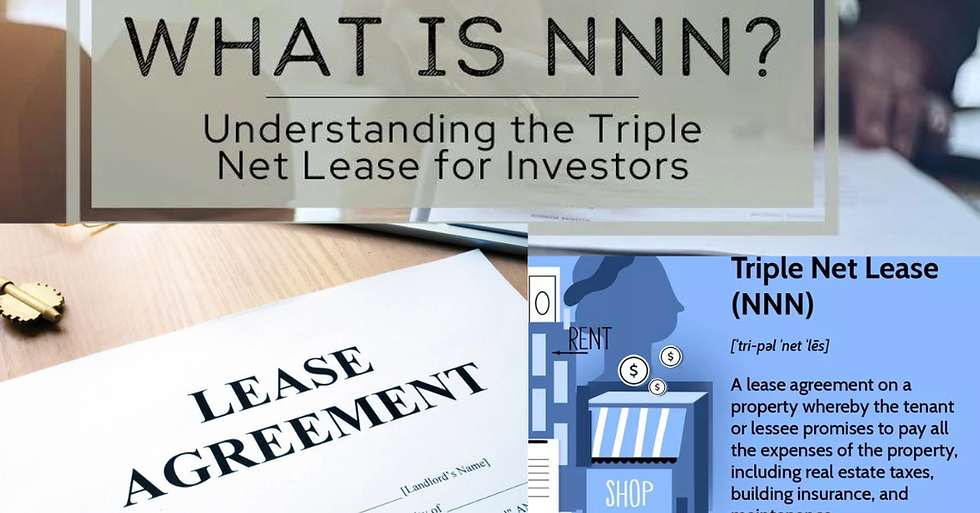
✔ CAM (Common Area Maintenance) fees
✔ Property taxes
✔ Insurance
✔ Utilities
✔ Parking fees
✔ Tenant improvements
✔ Maintenance responsibilities
✔ Security
Learn how to avoid hidden financial traps:
Space Layout & Efficiency: Does the Floorplan Work for You?
A beautiful space that doesn’t function well for your workflow will drain productivity.
Consider:
Natural light
Collaboration areas
Storage
Restrooms
Break rooms
Loading areas
Reception areas
HVAC and ventilation
Maximize efficiency here:
Look Ahead at Market Conditions in 2025–2026
You must understand whether you're leasing in:
A tenant’s market
A landlord’s market
A rising-cost market
A shifting demand cycle
Understanding this helps you negotiate better lease terms.
Assess Building Condition and Infrastructure
Evaluate:
✔ Electrical capacity
✔ Internet connectivity
✔ HVAC age and performance
✔ Plumbing and restrooms
✔ Roof condition
✔ ADA compliance
Ignoring these details can lead to unexpected expenses.
Consider Future Growth Potential
Choose a commercial space that allows you to:
Add more staff
Expand operations
Reconfigure layout
Add storage or equipment
Increase inventory
Strategic CRE decisions help businesses scale successfully:
FAQs
1. What is the most important factor when choosing a commercial space?
Location and future growth potential are the top priorities.
2. How much space does a small business typically need?
Most offices need 120–250 sq ft per employee, but it varies.
3. Should I lease or buy commercial space in 2025–2026?
Leasing offers flexibility; buying builds equity — it depends on your goals.
4. How do I know if a space is zoned for my business?
Check local zoning maps or consult a CRE professional.
5. What hidden costs should I look out for?
CAM fees, property taxes, insurance, utilities, and TI upgrades.
6. How long are most commercial leases?
3–7 years, depending on property type.
7. Should I work with a commercial real estate broker?
Absolutely — brokers save time, money, and protect you legally.
Find the Perfect Commercial Space With Expert Guidance
Whether you’re launching a business, expanding, or relocating, DNG Commercial offers strategic expertise to help you choose the ideal commercial space for long-term success.


Comments