
How Smart Buildings Are Reshaping Commercial Real Estate in 2025
- Nov 6, 2025
- 2 min read
A Smarter Era for Property Investment
Commercial real estate is evolving faster than ever. In 2025, technology and sustainability have merged to redefine how investors, tenants, and property managers view value. Smart buildings—equipped with integrated sensors, AI-powered systems, and real-time data insights—are no longer futuristic concepts. They are the new standard in efficiency and profitability.
According to CBRE’s 2025 Smart Building Report, over 65% of new office spaces in major U.S. markets are incorporating smart technologies to improve operational performance and tenant satisfaction.
What Makes a Building “Smart”?
A smart building uses Internet of Things (IoT) technology to monitor and control systems such as:
HVAC and lighting
Security and access control
Energy usage
Space utilization
Maintenance alerts

By integrating these systems, property owners reduce operational costs while improving tenant comfort and environmental performance.
Energy Efficiency and Sustainability Benefits
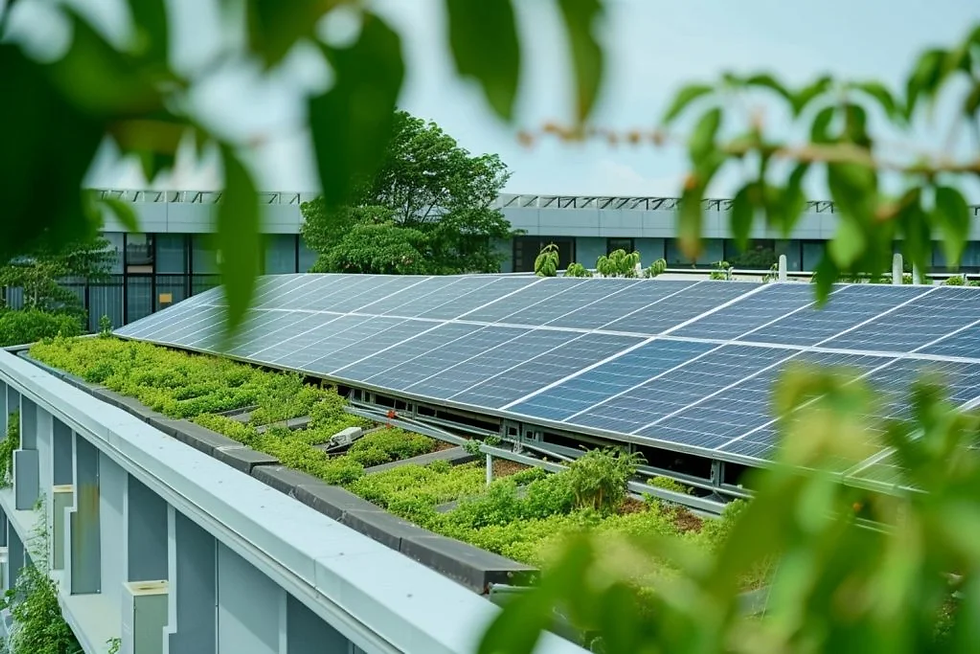
Sustainability is now an investment necessity. Smart systems track and optimize energy consumption in real time, reducing waste and costs. According to Energy.gov, smart energy management can reduce a building’s annual energy use by up to 35%.
Boosting Property Value Through Smart Upgrades
Modern tenants, especially corporations, demand smart-enabled environments. These upgrades often justify higher lease rates and longer tenancies, making them strategic investments for owners.

How AI and Predictive Analytics Enhance Property Management
AI analyzes historical data to predict maintenance needs, identify inefficiencies, and automate decision-making. Smart buildings powered by AI reduce downtime, lower repair costs, and improve long-term asset planning.
Tenant Experience: The New Competitive Advantage
Smart systems enhance tenant satisfaction by offering customizable environments—temperature, lighting, and even workspace layouts optimized through real-time data.

Overcoming Barriers to Smart Building Adoption
While the benefits are clear, cost, cybersecurity, and technical integration challenges still deter some investors. Working with expert property consultants ensures a smooth transition.
Smart Buildings and the Future of Commercial Leasing
Leasing agreements now include digital maintenance clauses and energy data-sharing requirements. Future leases will prioritize smart infrastructure compatibility.

FAQs About Smart Buildings in Commercial Real Estate
What are the main benefits of smart buildings?
They lower energy costs, improve tenant satisfaction, and boost property value.
How much does it cost to upgrade to smart technology?
Depending on building size, upgrades range from $5–25 per square foot.
Are smart buildings more secure?
Yes, with integrated monitoring and AI threat detection.
Do smart buildings attract higher-paying tenants?
Absolutely. Modern businesses prefer sustainable, tech-enabled spaces.
Can older buildings be retrofitted to become smart?
Yes, most systems can be integrated into existing structures.
Are there tax benefits for upgrading to smart systems?
Yes, check IRS Section 179D for green building incentives.
Will smart technology affect resale value?
Significantly, it improves asset longevity and appeal.
Smart buildings are no longer optional—they are the foundation of competitive commercial real estate. To explore modern, profitable spaces across Southern California, visit www.dngcommercial.com or call 310.999.1203 | 562.225.9260.


Comments