
How Retail Space Is Evolving in 2026 — Trends, Design Shifts & Tenant Needs
The retail landscape has transformed dramatically in recent years, and 2026 marks one of the most significant shifts yet. With changing consumer behavior, e-commerce integration, and new regulations, both landlords and tenants must rethink the traditional retail model. Today's successful retail spaces are flexible, experience-driven, tech-enabled, and strategically designed for multi-purpose use.
This comprehensive guide breaks down what retail tenants are looking for in 2026, how design trends are evolving, and what landlords must understand to stay competitive.
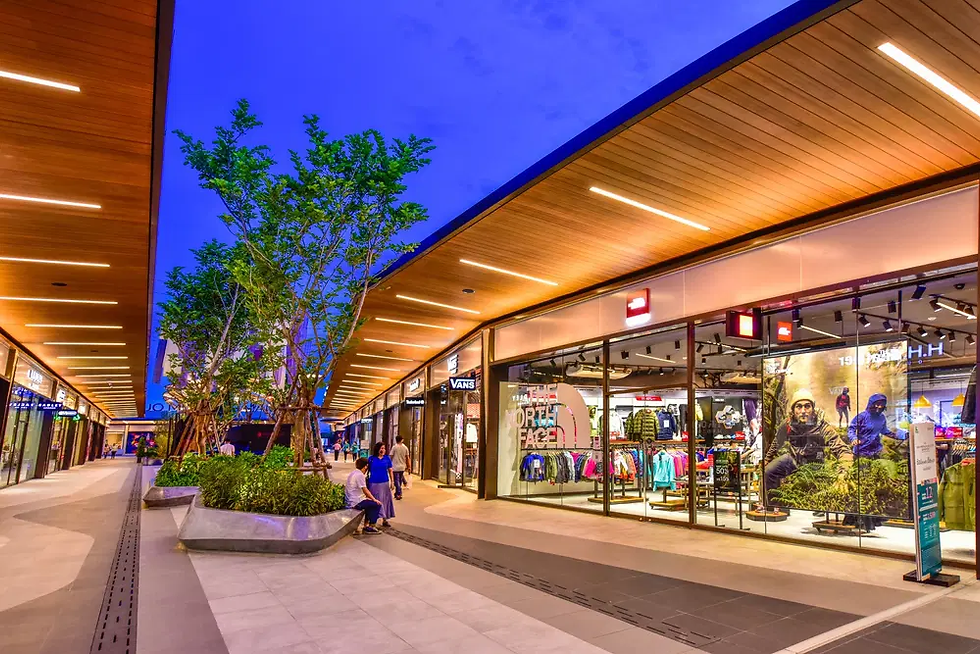
Trend 1 — Experience-Driven Retail Continues to Dominate
In 2026, retail space is no longer just a transactional location—it’s an experience.
Modern consumers want:
✔ interactive displays
✔ in-store events
✔ curated product zones
✔ social media–friendly layouts
✔ comfortable seating and gathering areas
These experience-based elements increase foot traffic and help brands build strong, lasting relationships with customers.
Retailers are now competing with the convenience of online shopping, making experiential design essential.
Learn about common challenges retailers face:👉 The Hidden Hurdles of Commercial Real Estate — And How to Avoid Them

Trend 2 — Flexible Floor Plans Are Now a Must
Adaptability is everything in 2026. Retailers need spaces that can change quickly with:
✔ seasonal rotations
✔ product launches
✔ pop-up installations
✔ mixed-use concepts
✔ hybrid showroom/fulfillment operations
Movable partitions, modular displays, and open floor plans allow tenants to modify the environment without costly renovations.
This trend ties into a major CRE reality:👉 Why Location Alone Isn’t Enough in Commercial Real Estate. Flexibility is now just as important as location—if not more.
Trend 3 — Integrated E-Commerce Support Is Mandatory
Modern retail combines physical stores with online fulfillment.
Retail tenants now expect:
✔ designated pickup zones
✔ micro-fulfillment storage
✔ curbside delivery lanes
✔ easy loading access
✔ digital inventory integration
Spaces without these features risk losing tenants to more modern competitors.
Learn about tenant frustrations when finding the right space:👉 Why Finding the Right Commercial Property Feels So Difficult
Trend 4 — Smaller Footprints With Higher Efficiency
In 2026, retailers want smaller, smarter, more efficient spaces, not expensive oversized units.
Expect:
✔ 1,200–2,500 sq ft micro-retail formats
✔ hybrid showroom models
✔ digital-first merchandising
✔ compact storage solutions
This aligns with national cost-saving trends and allows brands to expand into premium areas without excessive rent.
Explore cost-related pitfalls:👉 The Hidden Cost of Choosing the Wrong Commercial Space
Trend 5 — Sustainability Is a Top Tenant Priority
Retail brands want eco-conscious environments that match their values.
2026 sustainability features include:
♻️ energy-efficient lighting
♻️ low-waste design
♻️ recycled materials
♻️ solar integration
♻️ water-saving fixtures
♻️ high-efficiency HVAC systems
Tenants often choose modern, efficient buildings over outdated ones—even at a higher rental price.
Trend 6 — Mixed-Use Retail Is Rising in Every Market
Mixed-use spaces bring together:
✔ retail
✔ dining
✔ entertainment
✔ residential
✔ coworking
This attracts consistent foot traffic from local communities.
Learn more about mixed-use demand:👉 The Importance of Professional Property Management for Retail & Commercial Spaces
Trend 7 — Safety, Accessibility & Convenience Are Critical
Retail tenants increasingly prioritize:
✔ secure parking
✔ ADA-compliant layouts
✔ strong exterior lighting
✔ easy access from multiple directions
✔ signage visibility
✔ safe loading and unloading areas
Spaces that lack these features experience higher tenant turnover.
Retailers want convenience—for staff and customers.
Trend 8 — Data-Driven Leasing Decisions Are the New Normal
In 2026, tenants analyze:
📊 demographic insights
📊 traffic counts
📊 competitor mapping
📊 spending behavior
📊 growth projections
Savvy tenants avoid leases based on “gut feeling.”
Same lesson applies to investors:👉 Commercial Real Estate Investment Strategies for 2030

Trend 9 — Retailers Need Landlords Who Understand Their Challenges
2026 tenants expect landlords to understand:
✔ evolving customer expectations
✔ brand consistency needs
✔ industry-specific regulations
✔ flexibility in lease terms
✔ maintenance responsibilities
When landlords fail to adapt, tenants feel overwhelmed:👉 Why Finding the Right Commercial Space Feels So Overwhelming
Trend 10 — Retail Optimization Matters More Than Ever
Retail space optimization—once optional—is now essential for survival.
Tenants expect:
✔ efficient layouts
✔ cost-saving improvements
✔ multi-purpose areas
✔ customer flow strategies
✔ modern lighting and design
Explore why optimization is crucial:👉 Why Retail Space Optimization Is Important in 2025
FAQs
1. What types of retail spaces are most in demand in 2026?
Micro-retail, mixed-use, hybrid showroom/fulfillment spaces, and experiential stores.
2. Are retail spaces getting smaller or larger?
Smaller—but more efficient.
3. What do modern retail tenants prioritize?
Flexibility, e-commerce support, accessibility, and experience-driven design.
4. How important is sustainability in retail leasing?
Extremely important; eco-friendly buildings attract higher-quality tenants.
5. What design features improve customer experience?
Interactive displays, open layouts, ambient lighting, and social-friendly areas.
6. Why are mixed-use spaces so popular?
They generate consistent foot traffic and offer built-in audiences.
7. How can landlords future-proof their retail properties?
By modernizing infrastructure, offering flexible layouts, and supporting e-commerce operations.
Build a Strong Retail Strategy With Expert Commercial Real Estate Guidance
Whether you're leasing, repositioning, or optimizing retail space, DNG Commercial helps you make smart, profitable decisions backed by market expertise.
📞 Call us today for guidance on retail leasing and acquisitions


Comments